Source moisturizing coffee lip scrub for Exfoliation, Hydration, and Smoothing
Explore 30 listings for moisturizing coffee lip scrub designed for exfoliation, hydration, and smoothing. Buyers can compare specifications like ingredients, packaging sizes, and certifications from suppliers in China.
Key considerations
Products List
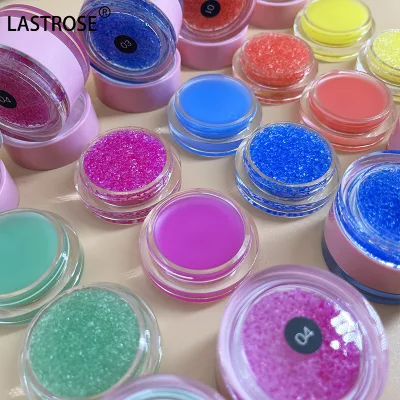
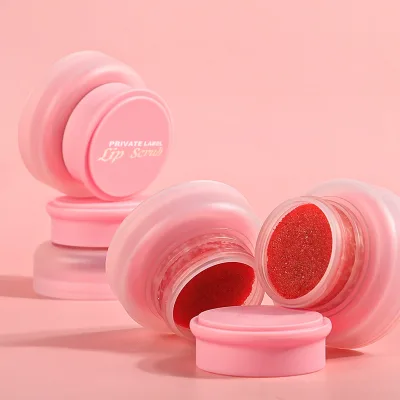
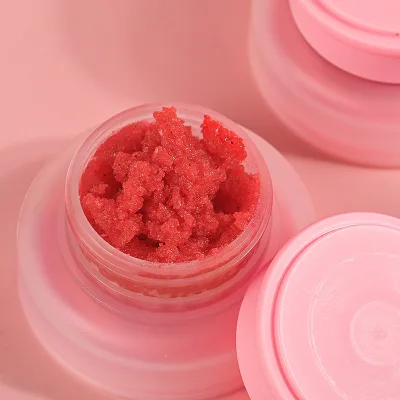
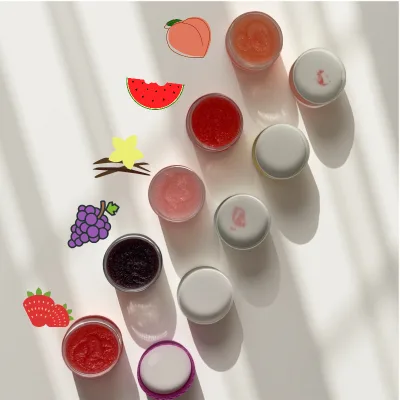
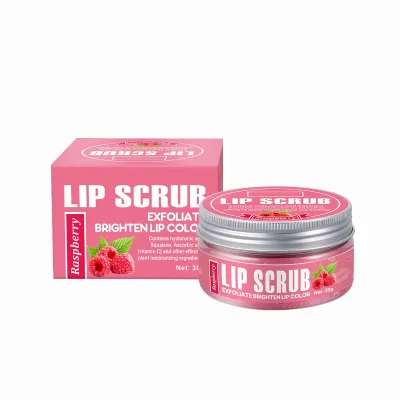


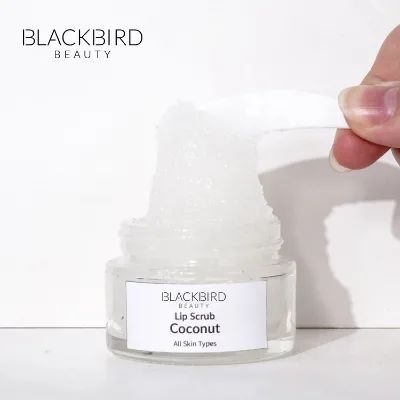
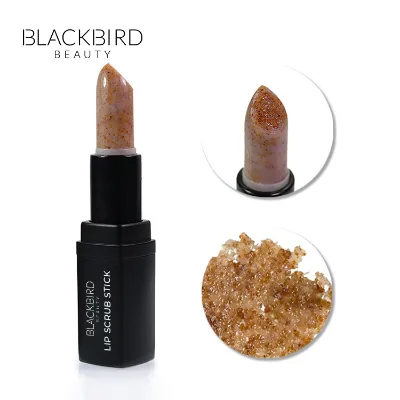
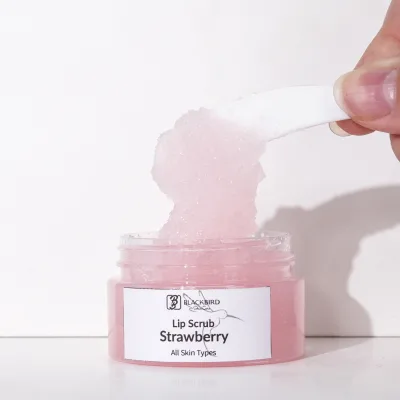






Comprehensive Sourcing Guide
Strategic Sourcing Guide for Moisturizing Coffee Lip Scrub Procurement
Understanding Product Formulations and Physical Specifications
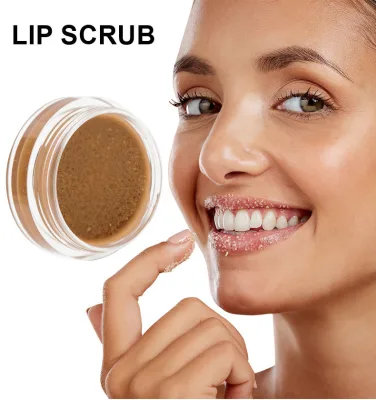
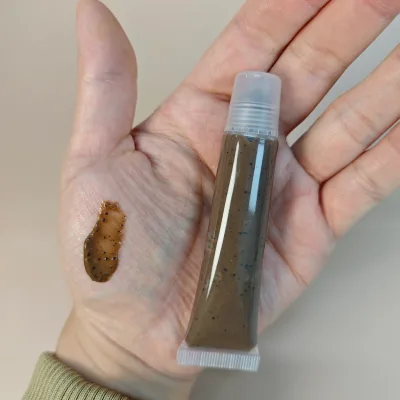
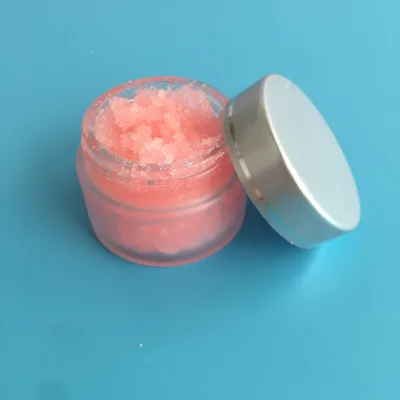
When sourcing a moisturizing coffee lip scrub, buyers must first distinguish between the various physical forms and ingredient profiles available in the B2B marketplace. The core keyword implies a specific texture and exfoliating agent, yet the actual product data reveals a diverse range of formulations. While the target search term suggests a coffee-based exfoliant, the observed market data indicates that "sugar" and "mineral" ingredients are frequently listed alongside "Vitamin E" and "fruit" flavors. This discrepancy highlights a critical procurement challenge: the term "lip scrub" often encompasses a broad category of exfoliating balms, where the specific abrasive agent (sugar, salt, mineral, or coffee) may vary by batch or supplier capability.
The physical specifications of these products are equally variable. Observed data points to single package sizes ranging significantly from compact 3.5x3.5x3.5 cm units to larger 13x7x5 cm packages. This variance suggests that buyers must clarify whether they require a travel-sized sample unit or a retail-ready bulk package. Furthermore, the net weight of the product is a key differentiator, with observed values including 5g and 15g options. The form of the product is also not uniform; while some listings describe a "sugar" form, others specify "gel," "cream," or "fruit" based textures. A procurement strategy that assumes a single uniform physical state will likely result in mismatched expectations. Buyers should verify the exact form factor, whether it is a solid scrub, a gel-based exfoliant, or a cream, as this dictates the manufacturing process and the final user experience.
Compliance, Certification, and Regulatory Verification
Navigating the regulatory landscape for cosmetic products, particularly those applied to the lips, requires rigorous verification of certifications. The supplied data confirms that reputable suppliers often hold GMPC (Good Manufacturing Practice for Cosmetics) and ISO certifications. These are foundational standards that indicate a facility adheres to quality management systems and hygiene protocols essential for personal care products. Additionally, specific product listings mention MSDS (Material Safety Data Sheet) certification, which is crucial for understanding the chemical composition and safety handling of the ingredients during shipping and manufacturing.
However, buyers must exercise caution regarding the "Organic" and "Vegan" claims often associated with these products. While the data lists "Organic" and "Vegan" as product features, and some items are marked as "cruelty-free," these attributes are not universally present across all listings. For instance, one entry lists "no brand / Private label" while another specifies a specific brand name, and the certification status varies. A buyer seeking organic certification must not assume that all "moisturizing lip scrubs" meet this standard. Instead, the procurement process must include a direct request for valid organic certification documents from the supplier. Similarly, while "Vegan" is listed as a feature for some items, the presence of "Mineral" or other ingredients requires verification to ensure no animal-derived byproducts are included. The absence of a specific certification in a listing does not necessarily mean the product is non-compliant, but it does mean the buyer must request proof of compliance before finalizing an order.
Cost Drivers and Pricing Structure Analysis
The pricing structure for moisturizing lip scrubs is influenced by several dynamic factors, including packaging complexity, ingredient sourcing, and order volume. The observed price range in the market spans from $0.55 to $3.07 USD per unit. This wide variance is not arbitrary; it reflects differences in product size, ingredient quality, and branding. For example, the 15g units with larger packaging dimensions (13x7x5 cm) likely command a higher price point compared to the 5g units with compact dimensions (3.5x3.5x3.5 cm). The inclusion of "customizable logos" is also a significant cost driver. The data explicitly notes that adding a custom logo incurs an "extra charge," which can significantly impact the unit cost for private label orders.
Minimum Order Quantity (MOQ) is another critical cost determinant. The market data shows an MOQ range from 1 to 10,000 units, with a specific high-confidence observation of 50 pieces. This suggests a tiered pricing model where smaller orders may carry a premium per unit, while larger volumes reduce the cost. Buyers should note that the "Sample" section indicates that sample negotiations are possible, which is a standard practice for verifying quality before committing to larger orders. However, the cost of samples, especially those with custom branding, should be factored into the initial budget. Additionally, payment terms such as PayPal, TT (Telegraphic Transfer), and Western Union are standard, but the currency exchange rates and transaction fees associated with these methods can subtly affect the final landed cost. Understanding these variables is essential for accurate budget forecasting and margin analysis.
Supplier Evaluation and Operational Capabilities
Evaluating a supplier for lip scrub procurement requires a deep dive into their operational capabilities, specifically regarding OEM/ODM services and logistics. The data confirms that OEM/ODM (Original Equipment Manufacturer/Original Design Manufacturer) services are acceptable, indicating that suppliers are willing to customize products according to buyer specifications. This is a vital capability for brands looking to establish a unique identity. However, the data also lists "no brand / Private label" alongside specific brand names, suggesting that some suppliers may operate as white-label providers while others have their own proprietary lines. Buyers must clarify the supplier's stance on exclusivity and branding rights.
Logistics and delivery times are equally important for supply chain stability. The observed data mentions delivery times of "Within 3~7 Days" for certain products, which is an exceptionally short lead time. However, this should be treated as an observation rather than a universal guarantee. Shipping methods listed include DHL, FedEx, UPS, and EMS, which are reputable carriers, but the actual lead time will depend on the destination and the specific production schedule of the supplier. The place of origin is listed as both Henan and Guangdong, China, indicating that suppliers may be located in different manufacturing hubs. Buyers should verify the specific factory location to assess shipping costs and potential customs implications. Furthermore, the availability of "24 hours online" support is a positive indicator of responsiveness, but buyers should test this communication channel during the inquiry phase to ensure reliability.
Quality Control and Ingredient Verification
Quality control in the lip scrub sector hinges on the verification of ingredients and the consistency of the final product. The data highlights "Vitamin E" and "sugar" as key ingredients, with "Mineral" and "Fruit" flavors also present. For a "moisturizing coffee lip scrub," the buyer must specifically verify the presence of coffee extract or grounds, as the provided data does not explicitly confirm coffee as a standard ingredient across all listings. The presence of "sugar" suggests that some products may be sugar-based scrubs rather than coffee-based. Therefore, the procurement process must include a detailed ingredient list review to ensure the product matches the "coffee" specification.
The "Waterproof" feature is listed as a product attribute, which is an unusual characteristic for a lip scrub intended for exfoliation. This may refer to the packaging's ability to resist moisture or a specific formulation characteristic. Buyers should clarify this claim to avoid confusion. Additionally, the "Repairing" and "Lightening Lip Lines" functions are listed as product features. These are performance claims that require validation. While the data mentions "GMPC/ISO" and "MSDS" certifications, these do not automatically validate efficacy claims like "lightening." Buyers should request third-party test results or clinical data to substantiate these performance claims, especially if marketing the product with these specific benefits. The "Characteristics" section mentions "sugar Moisturizing Lip scrub," reinforcing the need to verify the exfoliating agent and moisturizing components separately.
Long-Term Procurement and Market Adaptability
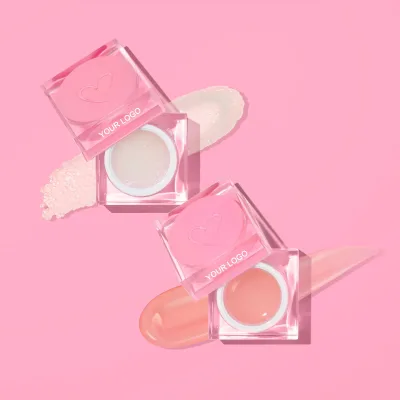
Sourcing a moisturizing lip scrub is not merely a transactional event but a strategic partnership that requires long-term planning. The market data indicates a high degree of customization, with options for "glossy lip gloss" samples and "customize glossy lip gloss Logo." This flexibility allows buyers to adapt their product line to changing market trends. However, the variability in "Color" (listed as 1pcs, 1pcs, etc.) and "Flavor" (Fruit, 1 Flavor) suggests that buyers need a robust system for managing SKU variations. A successful long-term strategy involves establishing clear specifications for color, flavor, and packaging to ensure consistency across multiple production runs.
The "Selling Units" are listed as "Single item," which implies that the products are often sold individually. This is standard for retail, but for B2B procurement, buyers must consider how these units are bundled for distribution. The "Single gross weight" of 0.06 kg to 0.070 kg is a critical factor for logistics planning, as it affects shipping costs and container loading efficiency. Buyers should calculate the total weight and volume for their projected order size to optimize freight costs. Furthermore, the "Advantage" of being "Organic" and "Vegan" suggests a growing market demand for clean beauty products. Buyers should monitor these trends and ensure their suppliers can maintain these attributes as the product line scales. Finally, the "Payment" methods listed (PayPal, TT, Western Union) offer flexibility, but buyers should establish a preferred payment method that balances security and cost-effectiveness for recurring orders. By focusing on these long-term considerations, buyers can build a resilient supply chain that adapts to market demands while maintaining product quality and compliance.
FAQs
What certifications do moisturizing coffee lip scrub suppliers typically hold?
Reputable suppliers often hold GMPC, ISO, and MSDS certifications. These documents verify adherence to hygiene protocols and chemical safety standards required for cosmetic manufacturing.
Can I customize the logo on the moisturizing coffee lip scrub packaging?
Yes, suppliers accept OEM and ODM services with customizable logos. However, adding a custom logo usually incurs an extra charge beyond the base unit price.
What is the minimum order quantity for moisturizing coffee lip scrub?
The minimum order quantity typically starts at 50 pieces. Some suppliers may accept orders as low as one unit for samples, while bulk orders can reach up to 10,000 units.
How long does it take to receive moisturizing coffee lip scrub orders?
Delivery times can be as short as 3 to 7 days for certain products. Actual lead times depend on the specific supplier location and current production capacity.
Which ingredients are commonly found in moisturizing coffee lip scrub?
Common ingredients include sugar, mineral, Vitamin E, and fruit flavors. While the core keyword suggests coffee, actual formulations may vary between sugar, mineral, or fruit-based exfoliants.
What payment methods are accepted for moisturizing coffee lip scrub orders?
Standard payment methods include PayPal, Telegraphic Transfer, and Western Union. Buyers should confirm specific currency and transaction fee details before finalizing the purchase agreement.